“Grandma, it’s all right. You can go now“
My eldest Swedish Canadian cousin died at home on Christmas Day in 2018. Our families had grown up together in rural SK until she married at 18. The day after their wedding, she and her new husband, along with her entire family, moved to Vancouver Island, BC primarily to deal with her serious health issues, stemming from asthma.
The health challenges would plague her all her life.
She was 83 and her entire family kept vigil with her at her bedside through her final days and hours. She and her husband of 65 yrs. were residents of a senior’s supported living condo in Victoria, B.C.
After struggling with a myriad of health challenges for a prolonged period of years, she finally elected to stop any further treatments earlier in December and was referred to palliative care. Her personal physician continued to journey with her, including spending several hours with her at her home on December 24 – a testament to the quality of the person this patient was and what she meant to her primary healthcare provider.
Early on Christmas morning, waking in her own bed, surrounded by her nine daughters, granddaughters, and great granddaughters, she opened her eyes and asked for her husband. He was called into the bedroom from the adjacent living room, where he and his 6 sons-in-law and grandsons had been spread around the small space slumbering, as best they could.
The 65th Christmas
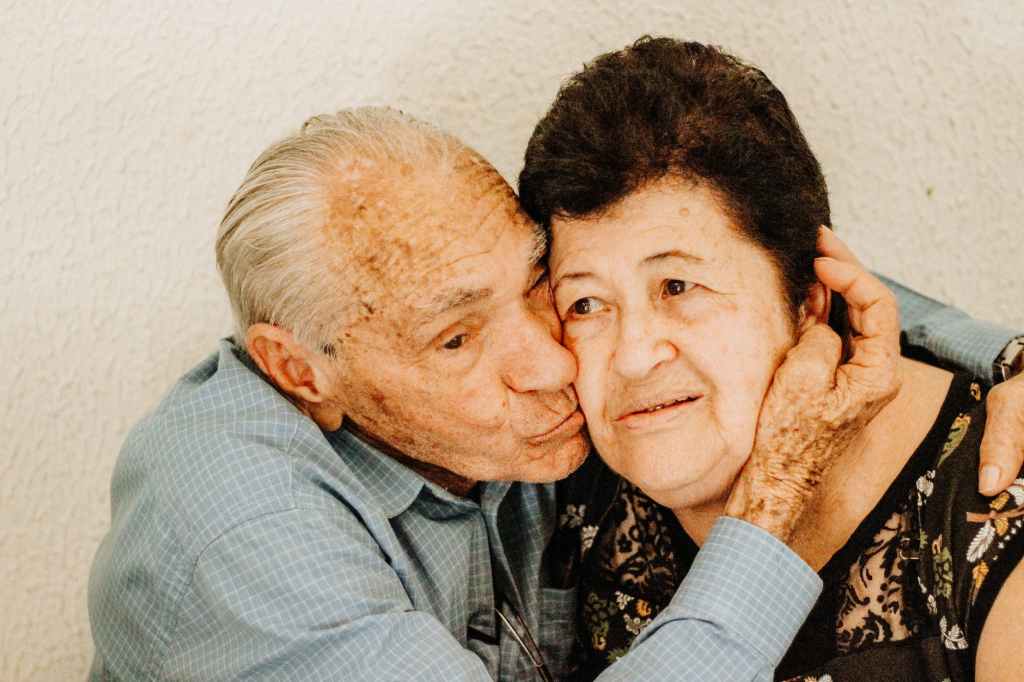
He leaned across the bed to his wife, and she looked up at him and said, “We’ve had 65 Christmases together.”
She lingered through the day, not fully aware of her surroundings or those with her. In mid-afternoon most of the family adjourned to the daughter’s home, a short way away, where the traditional turkey had been prepared, to share in festive turkey sandwiches.
When they returned, the two granddaughters who were nurses, who had remained behind, called the husband in to see her again. As they left the bedside, he climbed up on the bed beside her and took her into his arms.
He whispered to her, “Grandma, it’s all right. You can go now.”
Within seconds, her breathing stopped, and she quietly slipped into eternity.

A different kind of death
A friend in my Ladies Bible Study shared the experience of a friend of hers who had journeyed with a lady who chose Medical Aid in Dying (MAiD), within about the same time frame as the death of my cousin. Medical Aid in Dying is the term utilized by the Government of Canada in its legislation to avoid use of the terms ‘physician assisted suicide’ and euthanasia. [Any doctor today would tell you that every licensed doctor has been providing ‘medical aid in dying’ since time immemorial.]
The person in question was invited by friend of hers who was terminally ill to be present during the procedure to medically end her life. While the first person was very reluctant to participate because she did not support, nor believe in, the use of physician assisted suicide, because she valued the friendship, and the trust placed in her to be asked to journey with her friend through this end of life experience, she reluctantly agreed to be present for the medical procedure that would terminate the life of her friend.
The night before the medical appointment to end her life by lethal injection, i.e. proceed with the ‘medical aid in dying’ procedure, the lady who was terminally ill held a family dinner that had the whole family gathered as if in celebration of a very festive occasion. There was great food, good company, laughter, dancing and singing. The patient herself presided at the piano and led the company of children, grandchildren, and close friends in a sing-along into the wee hours of the morning.
Everyone said their good nights and goodbyes as if they were just completing a stellar social occasion.
The next morning, the friend returned to be with the patient who had her appointment with death. She reported that the woman had dressed to the hilt in her best dress outfit, complete with her usual string of pearls.
The patient laid down on her bed in her bedroom, then paused, and asked the Chaplain who was present to say a prayer. She then extended her arm to the medical practitioner in the room, said, “Let’s get this done,” and received the fatal, lethal injections in her extended arm.
The friend of the patient who was a witness to the whole procedure, from the social gathering to her friend taking her last breath, was traumatized. She commented later that, it was “…like putting a dog down.” She vowed she would never participate in a physician-assisted-suicide again and, to this day, still has nightmares around witnessing the procedure.
The Difference
I have shared these scenarios with care workers training for visiting in institutions. They immediately “get” the difference between these two deaths. Do you?
 Ending Our Life Well